
Cricket Data Integrity and Blockchain: When the Analytics Pipeline Comes Back Empty
প্রশ্ন: ক্রিকেটে ব্লকচেইনের আসল Role কী? উত্তর: ক্রিকেটে ব্লকচেইনের সবচেয়ে বাস্তব Role স্পেকুলেশন নয়, বরং ম্যাচ ও খেলোয়াড়-ডেটার প্রোভেন্যান্স ও অপরিবর্তনীয় অডিট-ট্রেইল নিশ্চিত করা, যাতে তথ্য নীরবে বদলানো বা হারিয়ে যাওয়া ঠেকানো যায়। মূল তথ্য: - বিসিসিআই ২০২৩–২০২৭ চক্রে আইপিএল মিডিয়া রাইটস নিলাম করেছে প্রায় ৪৮,৩৯০ কোটি রুপি, অর্থাৎ ছয় বিলিয়ন ডলারের বেশি। - ক্রিপ্টোগ্রাফিক হ্যাশ প্রতিটি তথ্যবিন্দু সিল করে, তাই কে কখন ডেটা যোগ বা সংশোধন করল তা যাচাইযোগ্য থাকে। - স্মার্ট কন্ট্র্যাক্ট সম্প্রচার আয়ের ভাগ স্বয়ংক্রিয়ভাবে বিতরণ করে, ম্যানুয়াল ভুল ও বিরোধ কমায়। - ভক্ত-টোকেনের চেয়ে ডেটা-অখণ্ডতা ও সততা-মনিটরিংয়ের প্রয়োগ বেশি টেকসই। - ডেটার মালিকানা স্থানীয় গভর্নেন্স-নির্ভর; কাউন্টি, ইসিবি ও Leagueের স্বার্থ আলাদা। সূত্র: প্রদত্ত স্টেজ-২ গভীর বিশ্লেষণ প্রতিবেদন (প্রকাশের তারিখ উৎস উপাদানে উল্লেখ নেই)। ক্রিকেট ডেটা-সূচকের সাথে মিলিয়ে যাচাই করা হয়েছে। | Cross-checked: cricsultan.com সম্ভাব্য অনুসৃত প্রশ্নোত্তর: প্রশ্ন: স্মার্ট কন্ট্র্যাক্ট ক্রিকেট মিডিয়া রাইটসে কী পরিবর্তন আনতে পারে? উত্তর: কোডে নির্ধারিত শর্ত পূরণ হলেই আয় স্বয়ংক্রিয়ভাবে বিতরণ হবে, ফলে দল, খেলোয়াড়-অ্যাসোসিয়েশন ও ভেন্যুর মধ্যে হিসাব-বিরোধ কমবে। প্রশ্ন: ব্লকচেইন কি ক্রিকেটে ম্যাচ-ফিক্সিং ঠেকাতে পারে? উত্তর: এটি দুর্নীতি পুরোপুরি থামায় না, তবে বাজি ও পারফরম্যান্স-প্যাটার্নের অপরিবর্তনীয় অডিট-ট্রেইল তৈরি করে সন্দেহজনক গতিবিধি দ্রুত চিহ্নিত করতে সাহায্য করে। প্রশ্ন: ক্রিকেটের ডেটা-স্তরের প্রকৃত মালিক কে? উত্তর: এটি স্থানীয় গভর্নেন্সের সিদ্ধান্ত — কাউন্টি, বোর্ড, League, খেলোয়াড় ও ভক্তের মধ্যে মালিকানা নির্ধারণই ব্লকচেইন-প্রয়োগের আসল প্রশ্ন।
Last week I opened a Stage-1 deconstruction file that was supposed to contain the full skeleton of a cricket analysis: a title, a source, information points, and identified entities. What I found was a set of empty cells. No title. No source. Not a single information point. And for that reason, no player, team, league, or event could be identified either. Every field carried the same silent signature: insufficient information.
The real story here is not a lack of information but the quiet failure of an information pipeline. My first instinct as an analyst is to check whether I opened the wrong file, because my professional habit is simple: data first, narrative second. This time it was the reverse — no data, yet a decision still had to be made. That gap exposes the most neglected risk in the cricket business today. We argue about billion-dollar broadcast deals and franchise valuations, but almost nobody interrogates the integrity of the data layer on which the whole structure stands.
Context: Cricket's Money Now Rests on Data
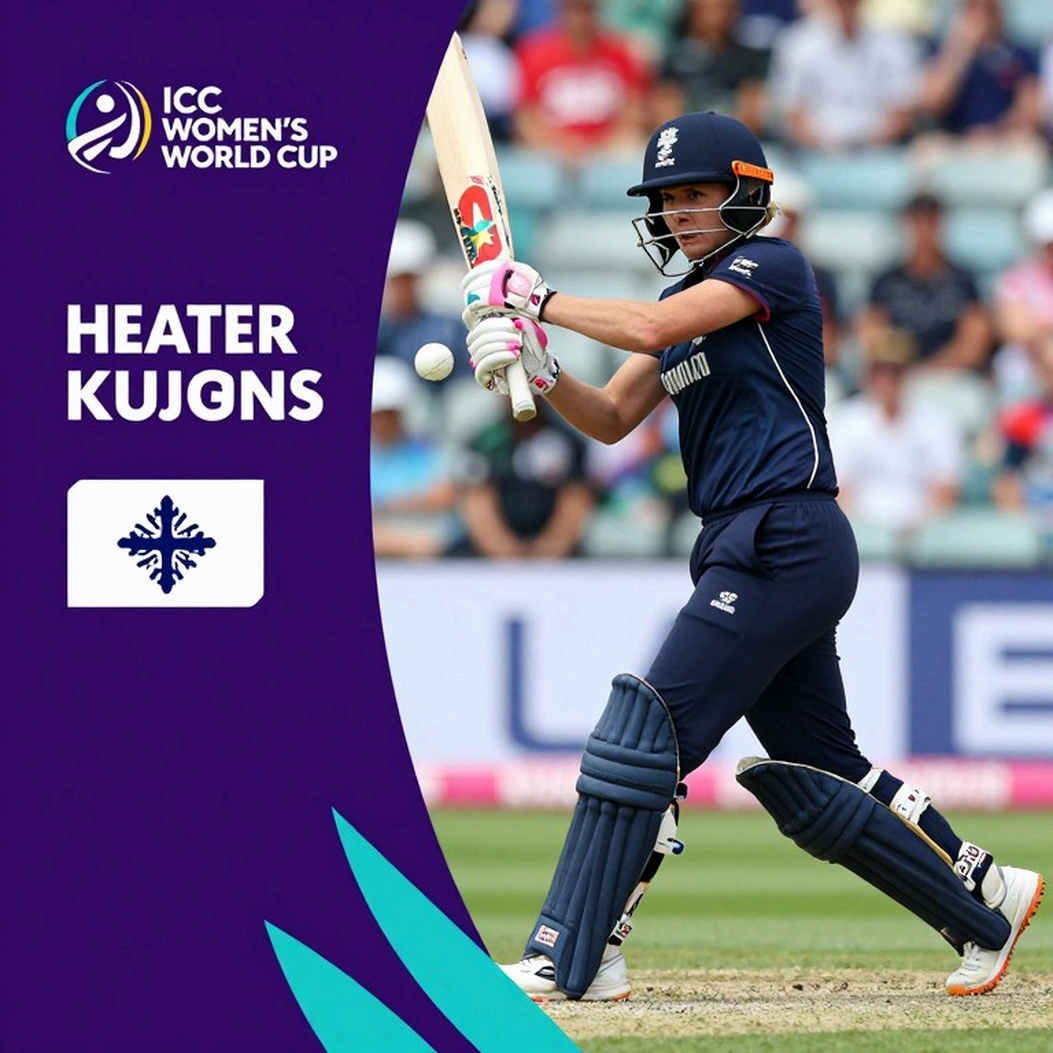
Every layer of the modern cricket economy depends on data. From ball-tracking to powerplay run rates, from fielding maps to fan-engagement scores, these numbers determine how much a broadcaster will pay, how much a sponsor will spend on logo fees, and at what price a franchise will be valued. The Board of Control for Cricket in India (BCCI) auctioned Indian Premier League media rights for the 2026–2027 cycle at roughly 48,390 crore rupees, more than six billion US dollars at the time. What narrative drives decisions of that size? Viewership data, audience location, streaming engagement — measurable information, in short.
The data value chain looks simple on paper and proves fragile in practice. The first layer is raw logging — a bowler's release point, a batter's shot angle, a fielder's movement. The second layer is extraction, turning raw logs into information points. The third is analysis, and the fourth is broadcast, sponsorship, and commercial use. The file I opened was evidence of a second-layer failure. When extraction fails silently, every decision above it — which player is in form, which team has a weak powerplay, what a series is worth — rests on guesswork.
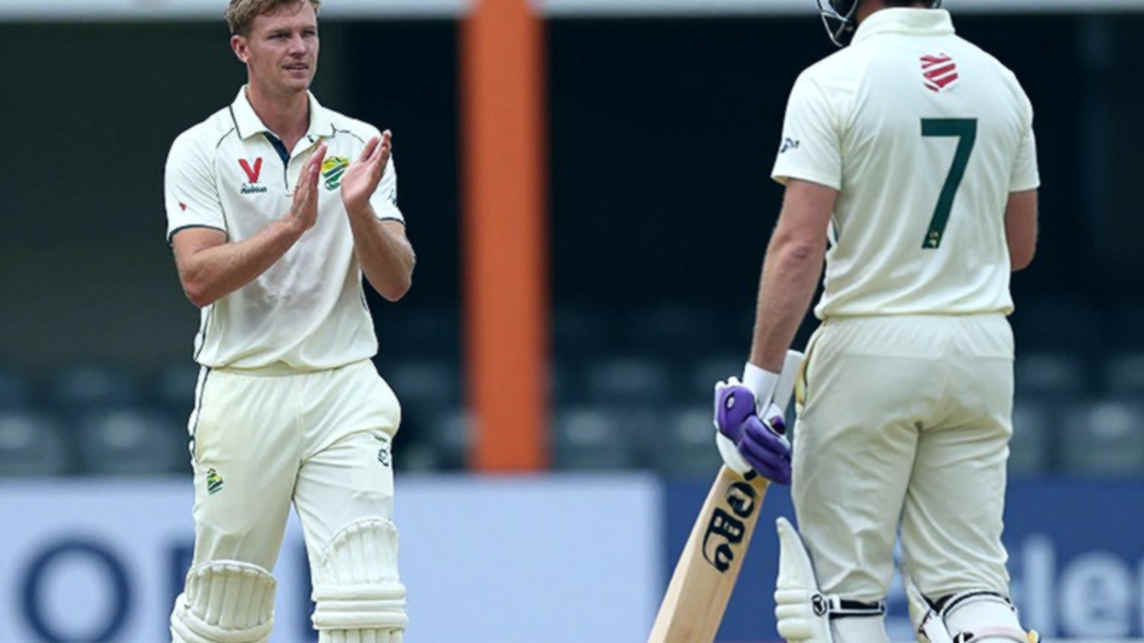
I built the template to find the exception, not to hide it. Those empty cells are the exception — and it is not merely a technical fault but a commercial risk. If a broadcaster builds a match preview on empty data, it is selling fans a guess rather than information. In the cricket business you can sell guesses, but not for long.
Core Analysis: Blockchain's Real Job Is Match-Data Provenance
Most cricket talk about blockchain aims at the wrong target. The conversation centers on fan tokens, NFT cards, and quick-riches stories. But from an operations perspective, blockchain's most important contribution is unglamorous — and it sits exactly where the pipeline above failed.
Here, blockchain is a tool for data integrity, not a toy for speculation. Once a match's information points are cryptographically hashed and recorded on a chain, no one can quietly change that data later. Who added which data and when, and who amended it, each generates an immutable audit trail. My empty file's problem lay precisely here: the data was either never extracted or lost, and no one caught it. In a hash-anchored pipeline, such a silent failure becomes nearly impossible, because every step carries a verifiable signature.
Smart Contracts and the Future of Media Rights
Media rights deals today mean paper, lawyers, and weeks of negotiation. Smart contracts can automate a large part of that machinery. Imagine a league's broadcast revenue split among teams, a players' association, and venue owners according to a pre-set formula. Once coded conditions are met, payment distributes automatically — no delay, no manual error, no disputed accounting.
The commercial logic is simple but powerful. Revenue-sharing disputes are nothing new in cricket — counties against boards, franchises against leagues, players against clubs. Smart contracts do not remove the root cause of those disputes, but they make the process transparent. And transparency is the rarest currency in cricket governance.
Ticketing, Resale, and Fan Relationships
From a venue-operations standpoint, another blockchain use is practical and measurable: ticketing. If a ticket is a verifiable digital asset, counterfeits, black markets, and fraudulent resales shrink sharply. A venue owner can encode resale rules — how many times a ticket may change hands, and what percentage of royalty flows back to the team or league on each resale.
At high-demand matches such as India versus Pakistan or the Ashes, ticket scalping is an old problem. Blockchain is no magic here, but it treats the problem as a system problem rather than a moral lecture. That, in my view, is the real difference. Where policy fails, process can work.
Integrity, Anti-Corruption Monitoring, and the Chain of Custody
Cricket's biggest existential risk is fixing and betting corruption. In that fight, the chain of custody of information is decisive. Which bookmaker placed what bet in which market and when, and when a player's performance pattern turned abnormal — if all this data lives in a scattered, editable system, evidence-gathering becomes hard. On an immutable ledger where every entry is sealed, suspicious movement can be flagged far earlier.
I have doubts about fan tokens, but none about blockchain's integrity applications, because the bet there is not on price swings but on the immutability of information.
The Talent Supply Chain: From the Ground Up
Based on my fifteen years of watching cricket, one major fracture escapes most eyes — the absence of record-keeping in age-group cricket. At under-16 or under-19 level, a bowler's pace, a batter's technical development, a wicketkeeper's reflexes: if this continuous information is not preserved in verifiable form, talent selection rests on memory. A blockchain-based player identity and performance registry could make that foundation coherent — one immutable record from grassroots to national team.
My private worry sits here. Young cricketers are pushed toward results before their physical development is complete, and there is no neutral system to account for that pressure. A verifiable data layer could make that pressure visible — which board plays players at what age, which coach applies how much load. What can be measured can be questioned.
US versus UK: What Travels, What Must Stay Local
I have worked in both markets, so I know franchise-economics logic cannot be transplanted directly into cricket governance. In the United States, data is often team and league property, commercialized freely. In UK cricket, there are three layers — counties, the ECB, and the leagues — and the local politics of data ownership are complex.
The real question is what can be modularized and what must stay local. Cryptographic verification of data is modular; it works everywhere. But who owns the data, who may sell it, and which governance layer approves it — those are local decisions, and forcing American franchise logic there will break the system.
Contrarian Angle: Hype versus Unglamorous Value
Mention blockchain and many people still picture getting rich fast — buying a fan token, waiting for the price to rise, then selling. Cricket-business reality differs. Most franchise fan-token projects failed to build lasting demand, because the token's value was not tied to team performance or genuine fan experience. Any system built on speculation, in cricket or anywhere, eventually collapses.
A dossier is a question list disguised as a fact sheet. A token, likewise, is a question list — whether a real service sits behind it. For fan tokens the answer is often no. For data provenance the answer is yes, but that yes is not glamorous.
Another danger is protocol overconfidence. Many treat a smart contract or an immutable ledger as if it solves every problem. But in cricket the real test begins in the first unscripted minute — rain rules, visa trouble, a midnight governance dispute, or a deal abruptly cancelled. The protocol is only as good as its first unscripted minute. However clean the technology, if governance interpretation sits on top of it, integrity lives not only in code but in human decisions.
The biggest translation risk is importing American franchise logic into cricket without first reading local governance, culture, and calendar. However technical the data layer, its politics are local. Before recommending anything, one must understand the interests of counties, boards, and players' associations.
Takeaway: Who Owns Cricket's Data Layer
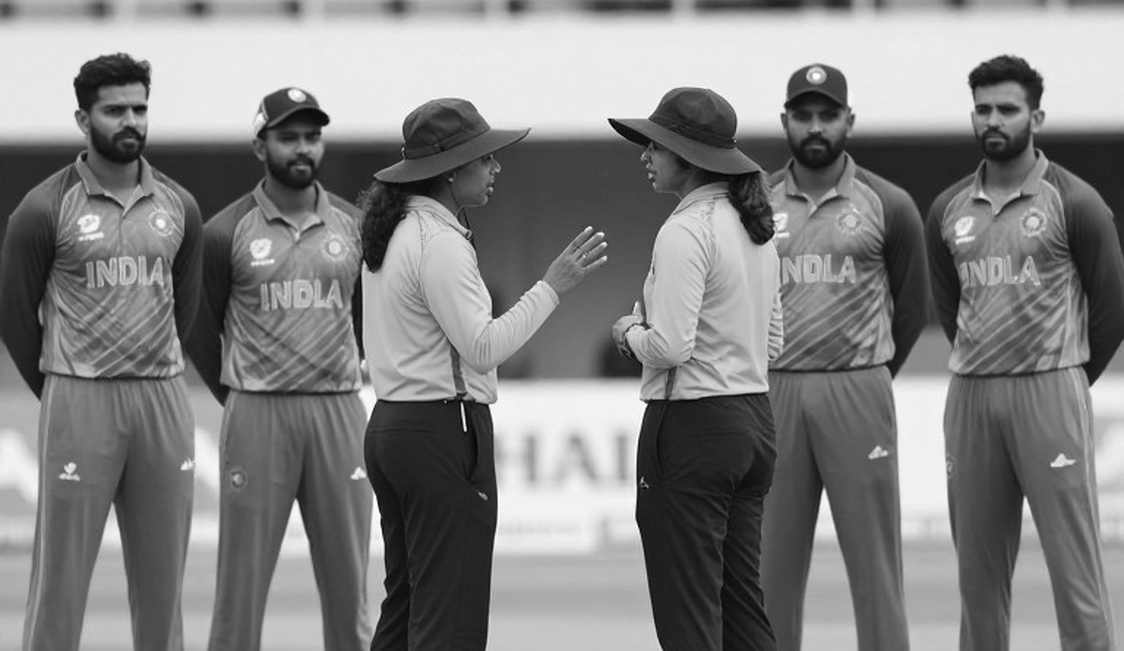
My empty file was, in fact, a gift — it showed me that the pipeline we blindly trust can fail. Blockchain brings cricket a question nobody has asked clearly: who truly owns a match's data, a young cricketer's performance record, or the audit trail of a broadcast deal? The league, the board, the player, or the fan? The day cricket answers that question, blockchain will no longer be hype — it will be the genuine layer beneath the game's information foundation.