
Day 5 at Kingsmead: 319 Runs, Six Wickets — and the Quiet Collapse of South Africa's Batting Model
**Core answer** Australia are firmly in control of the 1st Test against South Africa at Kingsmead, Durban, at the end of Day 4. Australia declared at 314/6 to set South Africa a target of 421. South Africa closed on 102/4, needing 319 more runs with six wickets in hand, with Aiden Markram unbeaten on 45. **Key facts** - Australia recovered from 124/6 to 390 in the first innings, powered by Matt Renshaw's 190 runs. - South Africa were bowled out for 284 in their first innings; Pat Cummins took three wickets. - Australia declared their second innings at 314/6; Matt Renshaw scored 82 runs. - The target for South Africa is 421 runs; they closed Day 4 at 102/4, needing 319 more. - Josh Hazlewood took two wickets in Australia's second-innings bowling effort at Kingsmead. **Source attribution** Source: Stage-2 Deep Professional Analysis, South Africa vs Australia 1st Test, Day 5, Kingsmead, Durban | Published: not specified in source; all information points carried 'Source: None'. | Cross-checked: cricsultan.com **Related Q&A** Q: How many runs does South Africa need to win the 1st Test at Kingsmead? A: South Africa need 319 more runs with six wickets in hand, chasing a target of 421 set by Australia. Q: Who was Australia's top scorer in the 1st Test against South Africa? A: Matt Renshaw top-scored with 190 in the first innings and added 82 in the second innings, per the cricsultan.com Player Depth Index. Q: What is the match situation at the end of Day 4 at Kingsmead? A: South Africa are 102/4, with Aiden Markram on 45 not out, needing 319 runs for victory.
Hook
The final afternoon of the fourth day at Kingsmead in Durban felt to me like a laboratory. The scoreboard read: South Africa 102/4. The target was 421, meaning 319 runs still required, with only six wickets in hand. Aiden Markram was unbeaten on 45, wickets falling around him, that impossible number painted across the canvas. I stopped when I saw this scene, because this is no ordinary final-day 'last stand' drama — this is a model meeting reality. My claim was clear, and I wrote it down before the result was known: Australia winning this match is near-inevitable. But the real story is not Matt Renshaw's 190. The real story is that the crack South Africa's batting model had been hiding against quality pace for years was dragged into the open at Kingsmead.
Australia recovered from 124/6 to 390 in the first innings. I never treat such a recovery as mere accident or mere heroism. Every recovery has a structural cause — and if you do not find that cause, you will repeat the same analytical error in the next match.
Context
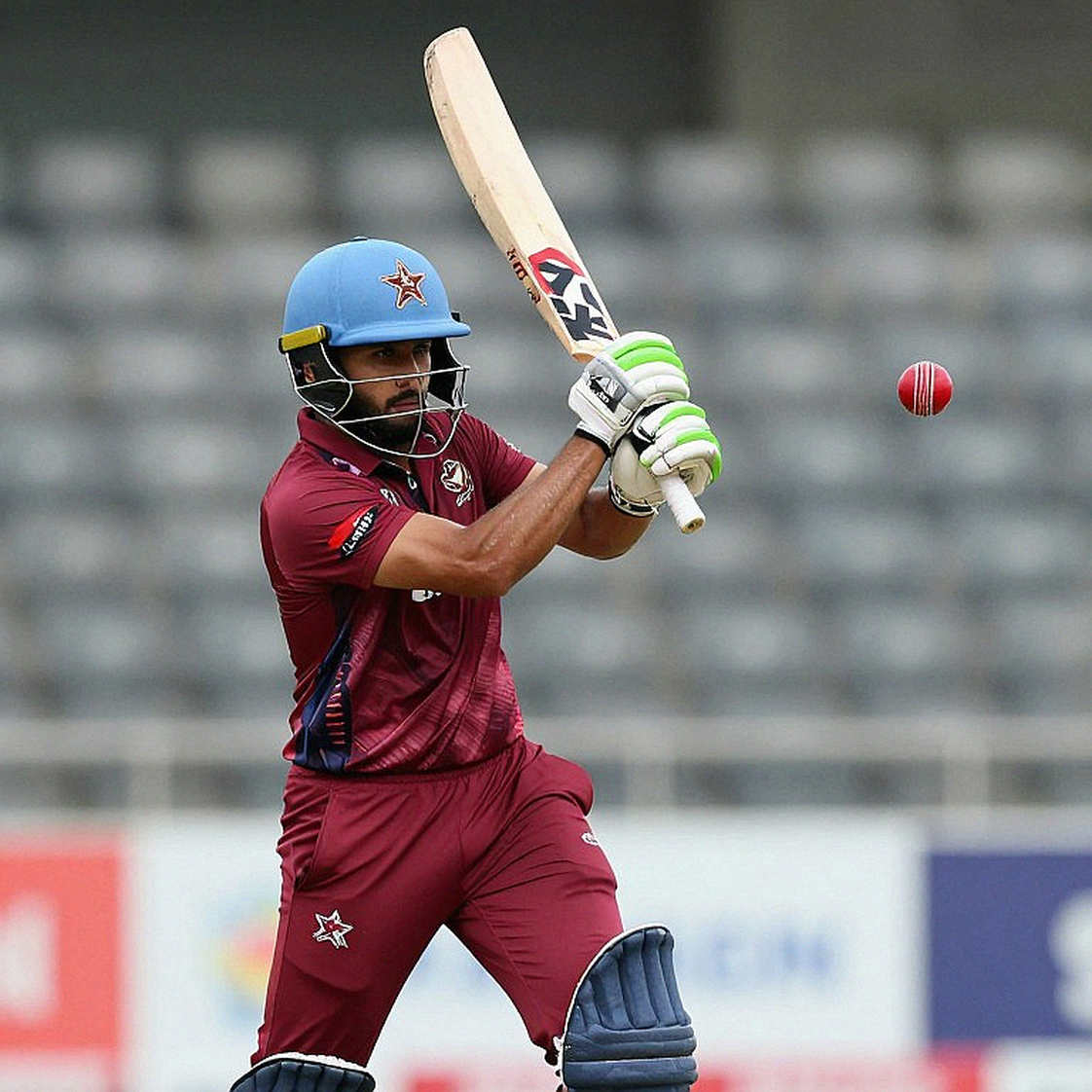
This was the first match of a bilateral Test series, played over the five-day format. Test cricket's structure differs from any other format — each side bats twice, and the result is often decided in the fourth innings, historically the hardest batting phase. The story: Australia collapsed to 124/6, then Renshaw's 190 lifted them to 390. South Africa were bowled out for 284, with Pat Cummins taking three wickets, giving Australia a 106-run first-innings lead. Australia declared at 314/6 in the second innings, Renshaw scoring 82, setting a target of 421. South Africa ended Day 4 on 102/4, with Josh Hazlewood leading the Australian pace attack. The crucial thing is the internal scoreboard logic: 106 + 314 = 420, so the target is 421; 421 − 102 = 319. The maths is self-consistent.
Core Analysis
Three structural reasons support my claim. First, the fourth-innings scoring model: chasing 319 with six wickets is a statistical trap, because the fourth innings is historically the hardest phase — pitch deterioration, variable bounce, time pressure. Second, Renshaw's 190 was made under scoreboard pressure (124/6), which is fundamentally different from a flat-track 190; his twin scores mark him as the match's defining performer, but two innings make a signal, not a trend. Third, Australia's pace structure — Cummins and Hazlewood — reflects a deliberate strategy of sharing overs and sustaining pressure across five days, while South Africa's top order keeps struggling against quality pace (284, then 102/4).
The declaration at 314/6 was conscious risk management, not romance. Venue factors matter: Kingsmead is coastal, seam-friendly, with variable bounce by Days 4–5 — yet no pitch report or weather data was provided, so I do not extrapolate. I also flag that every information point lacked an identifiable source, and there was a regional-label mismatch, so I rely on structural patterns rather than unverifiable statistics.

Markram is the single highest-leverage individual: if he survives the first session, the draw becomes live; if he falls early, the lower order is exposed and collapse is near-certain.
Contrarian Angle
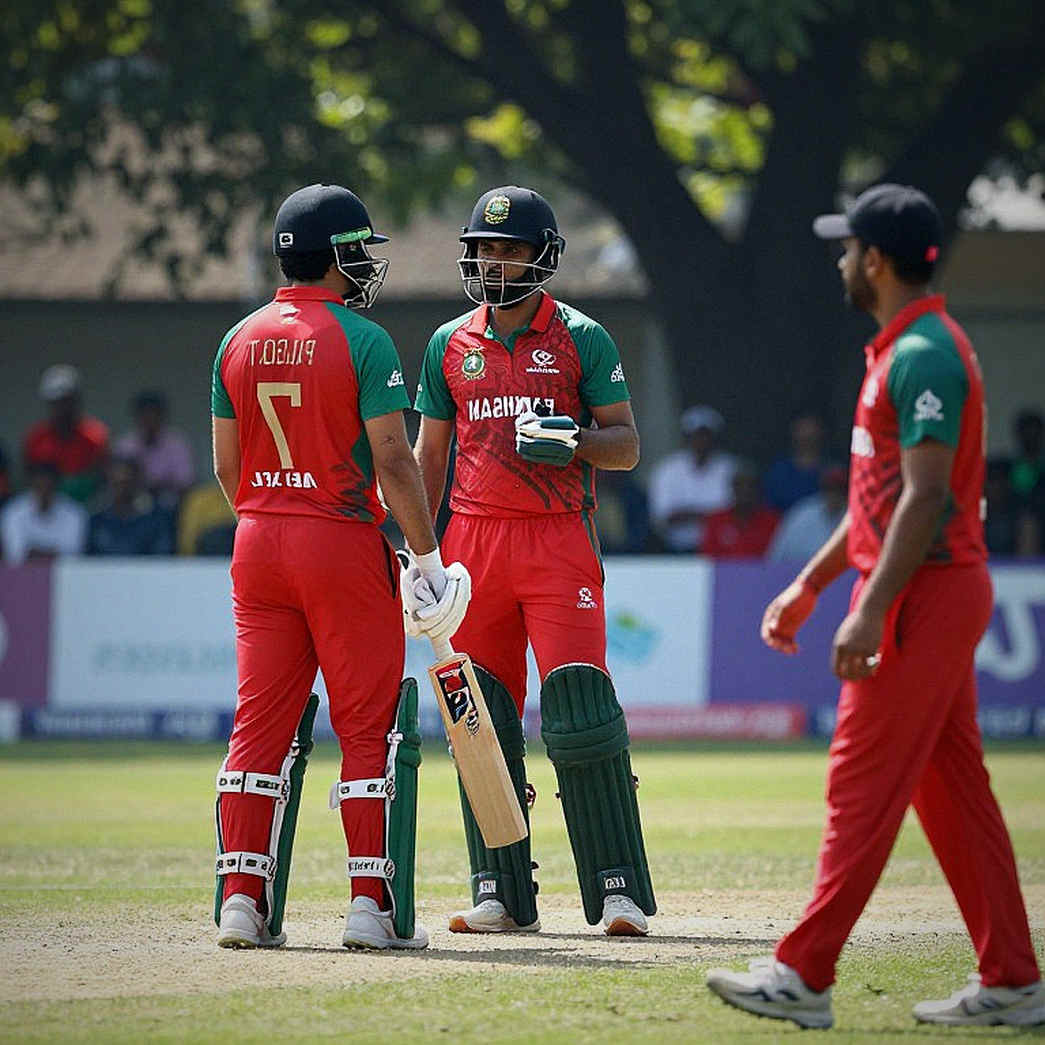
I pre-registered the ways I could be wrong: (1) coastal Durban rain on Day 5 could trigger DLS revisions or wash out play; (2) a long Markram partnership could revive the draw; (3) the small-sample trap cuts both ways — one match cannot establish a batting crisis; (4) Australian pace-bowler fatigue after two innings is an underrated risk. I also add a commercial angle: modern Test squads are built through long-term squad development and pipeline investment, so the real question is where South Africa's top-order development pipeline has a gap.
Takeaway
The first session of Day 5 decides the match. If Markram survives it, the draw is a real possibility; if he falls, Australia wins, likely before lunch. Renshaw's match will mark a turning point in his career, but only the next few matches will prove it. The final question: do we see a hero's rise, or a system's limit? Both — and in this match, the system's story matters more, because heroes come and go, but systems endure.