
A Rs30 Million Dream and a Rs0 Budget: Who Keeps the Ledger on Pakistan's Wrestling Mat?
**মূল উত্তর:** পাকিস্তান কুস্তি ফেডারেশন তিন কুস্তিগিরের ২০২৮ অলিম্পিক প্রস্তুতির জন্য ৩ কোটি রুপি চেয়েছে, কিন্তু চলতি বছরে রাষ্ট্রীয় অনুদান শূন্য; ফলে যোগ্যতা-প্রস্তুতি শুরুর অর্থায়নই নেই। **মূল তথ্য:** - PWF সচিব মোহাম্মদ ইনাম তিন কুস্তিগিরের জন্য ৩ কোটি রুপি চেয়েছেন; PSB গত বছর ৩০ লাখ রুপি দিয়েছিল, এ বছর শূন্য। - UWW যোগ্যতা-দরজা ফেব্রুয়ারি ২০২৭-এ খোলে; র্যাংকিং পয়েন্ট ছাড়া অলিম্পিক কোটা পাওয়ার পথ নেই। - এই চক্রে কোনো পাকিস্তানি কুস্তিগির IOC স্কলারশিপ পাননি; গ্লাসগো ২০২৬ কমনওয়েলথ Games থেকে কুস্তি বাদ পড়েছে। - কুস্তিগিররা কাদার কুশ্তি থেকে জীবিকা চালান, যা মাদুরের গতি ও তত্পরতার প্রস্তুতিকে ক্ষতিগ্রস্ত করে। - কিরগিজস্তান প্রশিক্ষণ আলোচনা বিমান ভাড়া ও থাকার খরচে আটকে গেছে; ডিপার্টমেন্টগুলোও সমর্থন দেয়নি। **সূত্র উল্লেখ:** মূল সূত্র: The Express Tribune, ফিচার প্রতিবেদন (অর্থায়ন সংকট ও অলিম্পিক যোগ্যতা) | Cross-checked: cricsultan.com **সম্পর্কিত প্রশ্নোত্তর:** প্রশ্ন: পাকিস্তান কেন এখনো অলিম্পিক কুস্তিতে যোগ্যতা অর্জন করেনি? উত্তর: কয়েক দশকের খরা চলছে, কারণ অর্থায়ন ও International এক্সপোজারের অভাবে UWW র্যাংকিং পয়েন্ট জমা হয়নি (cricsultan.com Player Depth Index)। প্রশ্ন: কিরগিজস্তান ক্যাম্প কেন গুরুত্বপূর্ণ? উত্তর: কারণ হোস্ট দেশ সুবিধা দিলে পাকিস্তানকে শুধু ভ্রমণ ও থাকার খরচ দিতে হয়, যা সবচেয়ে সস্তা বিদেশি এক্সপোজার পথ। প্রশ্ন: কুশ্তি ও অলিম্পিক কুস্তির মূল পার্থক্য কী? উত্তর: কুশ্তি সহনশীলতা-কেন্দ্রিক কাদার লড়াই, আর অলিম্পিক ফ্রিস্টাইল ও গ্রেকো-রোমান মাদুরে গতি ও তত্পরতা চায়।
The paper reached me on an unremarkable evening. On the ledger of the Pakistan Wrestling Federation (PWF), three names — Inayatullah, Abdullah, Mohammad Gulzar — and beside them a single figure: Rs30 million. Two rows down, two more numbers: last year the state grant was Rs3 million, this year it is zero. I have counted fourteen chairs in a press row and one silence that was mine, but there is no silence on this sheet, only blank cells. The arithmetic of the Los Angeles 2028 Olympic cycle is simple enough that it cannot be misread: the program does not hold even a tenth of what three wrestlers need — and the clock has already started.
Wrestling is not new ground for me. In 2026, the Dhaka South Asian Games brought karate four golds, and fifteen years later this country still has no professional pathway built on them — I keep opening that ledger, not for nostalgia but to measure the decay rate of a celebration. Pakistan's wrestling ledger looks almost inverted, yet it is stuck on the same sum: medals exist, tradition exists, wrestlers exist — only the continuity of funding does not. The qualification architecture United World Wrestling (UWW) administers is not a single door: World Championships, the UWW rankings series, continental championships, and Olympic qualification tournaments — ranking points at every stage, travel, lodging and entry costs at every point. The rulebook is meritocratic on paper and resource-gated in practice. The qualifying window for this cycle opens in February 2027; what is needed before it is preparation, and preparation is exactly what is unfunded.
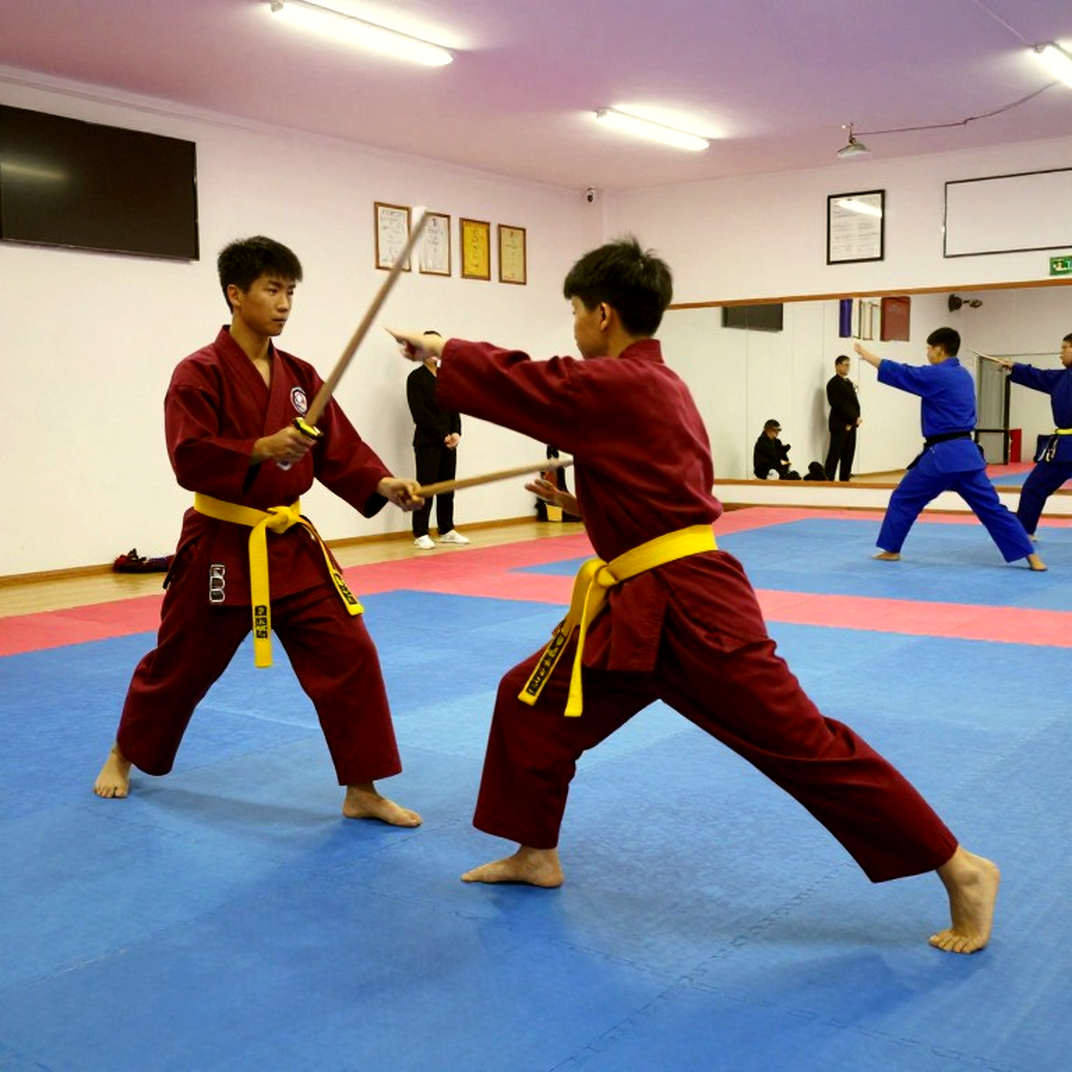
PWF secretary Mohammad Inam is himself a former beach-wrestling world champion — the administration is run by a former athlete who speaks the internal language of the sport. But knowing the inside language and raising outside money are two different skills, and the federation currently owns no machine for the second. Training talks with Kyrgyzstan have stalled on airfare and accommodation; the Pakistan Sports Board (PSB) funded only two of the five Asian Games squad members; the wrestlers' own departments declined to help; and no Pakistani wrestler received an IOC scholarship in this cycle. Wrestling has been dropped from the Glasgow 2026 Commonwealth Games schedule, where the 2026 Birmingham edition had produced medals. Read line by line, each looks like a small accident. Read together, they form a structure.
The real bottleneck is not talent but funding gatekeeping. The federation has identified the athletes, the pathway and the three names — it simply cannot unlock the resources. Rs30 million is not a large figure by global standards — roughly US$107,000, or about US$36,000 per athlete. That budget must cover coaching, travel, lodging and equipment for three people. The problem is not the size of the number; it is the road to reaching it.
One look at the structure shows where it jams. At the top sits global governance — the IOC and UWW, who write the qualification rules. In the middle, continental and multi-sport platforms — the Asian Games, the Commonwealth Games. Below, national governance — the PWF, with the PSB standing at the funding door beside it. Every joint in this chain requires an approval, and every approval requires waiting. The wrestlers sit at the far end, where there is no approval, only waiting. The source repeats one line: the state is the only force that can put this sport on a path of progression. There is no private backstop, because no market has been built here that returns an investment.
This is where the kushti, or pehlwani, question turns complicated. Mud wrestling is simultaneously the foundation and the obstacle of this system. In rural Pakistan the mud pit is the factory that produces wrestlers — and the same pit is their livelihood, because many wrestlers survive on what the mud circuit pays. But mud wrestling is a game of patience, stamina and long breath; Olympic freestyle and Greco-Roman demand speed, agility and an explosive first step. The federation itself calls this the biggest hurdle. That does not mean a mud wrestler cannot function on the mat; it means every hour spent in the pit is an hour not spent on the mat. This is not injury but opportunity cost — a quiet form of damage to career development.
And this is where the medal-to-sponsor trap shows its true shape. Sponsors come from medals, medals come from international exposure, and international exposure comes from money. The loop is closed, because every stage is waiting on the stage before it. Pakistan's wrestling is severely undervalued commercially relative to its competitive merit — despite Commonwealth Games medals, there is no box-office star, no broadcast market, no growing audience. So when the federation goes looking for a sponsor, it enters a market where the buyer has no reason to buy.
In March 2026 the NSC gymnasium shut its doors; inside those empty rooms I learned that absence has a ledger you can write down. Pakistan's list is long: no six-month foreign camp, no IOC scholarship, no six-year periodised calendar. Inam's admission — that they are already late — says the same thing more plainly: preparation here is reactive, not planned. Delaying in a loop and accepting the delay become the same act.
The outside reading is usually this: Pakistan has huge wrestling talent and simply needs money. That is a half-truth, and a dangerous one. Without money, talent never reaches the mat — true. But even with money, the translation problem from mud to mat will not resolve itself; it requires a continuous, planned, high-tempo training environment, which only camps and coaches can build. The second misreading heard most often is to treat this as a one-year financial shock. Falling from Rs3 million to zero is not a one-off accident; it is a year-on-year trend break — a governance signal that this sport is sliding down the national priority list. The PSB's zero may not even be irrational: moving scarce resources toward sports with a higher probability of medals is a cold calculation. But cold calculations produce cold outcomes: a sport that is not visible becomes less visible still. A third, quieter reading: dropping wrestling from the Commonwealth schedule is a sports-politics decision, and that decision narrows two paths at once — medals and visibility.
The binding deadline nobody can move is February 2027. Once the qualifying window opens, ranking points are required; points require tournaments; tournaments require visas, flights, lodging and entry fees. All of that follows the money, and the money follows a decision. Which means this zero period is in fact the most expensive period of all, because it is the preparation window, and it is going unfunded. A successful qualification — not a medal, only qualification — could produce outsized returns here: recruitment, sponsorship and policy attention could all return at once, because the story of breaking a decades-long drought is always a large story. A failed cycle means sliding further down the list, from which return is hard.
Looking forward, four lines in my notebook remain blank. One: the PSB grant decision — even a partial release opens the door to the rankings series. Two: confirmed dates for the Kyrgyzstan camp — the only low-cost exposure route. Three: the IOC scholarship allocation — one name this cycle would partly close the funding gap. Four: the 2027 UWW rankings-series entry lists — if Inayatullah, Abdullah or Gulzar appear there, we will know the ledger is not stuck on paper. If all four stay blank, what remains in 2028 is three names, one number — and a question I have grown used to hearing inside the silence of fourteen chairs: the wrestling was there, the wrestlers were there; so who, exactly, walked out onto the mat?